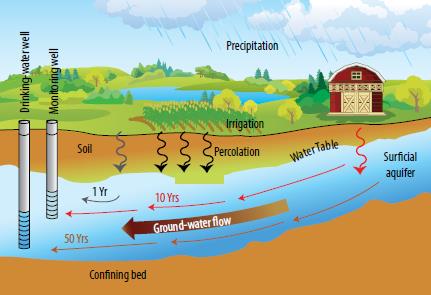
Runoff from fields can carry soil particles and pesticides from treated fields or spills into streams, ditches, ponds, and wells, affecting the health of people, livestock, and the quality of produce. The greatest effect from surface runoff occurs when rain falls within 24 hours of a pesticide application. Some pesticides are persistent in the soil and can pose a problem for months.
If herbicides are involved, the resulting contaminated water may also cause problems if uses for plant irrigation.
Causes of Contamination:
- Pesticide concentrate spills when mixing and loading sprayers
- Leakage of stored concentrate
- Back siphoning or overfilling of sprayer tanks
- Rinsing or washing spray equipment
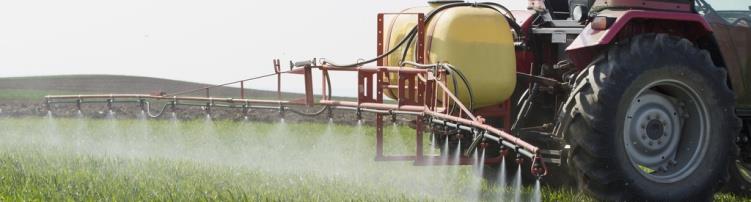
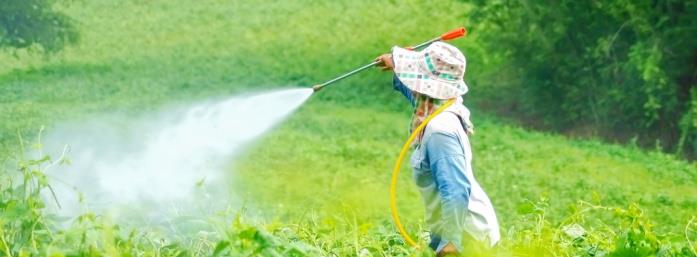
- Spray drift in windy conditions or too close to open water
- Vapor drift
Prevent pesticides from entering watercourses from runoff by planting a 10m vegetated buffer using native species of trees and shrubs along shorelines of streams and ponds adjacent to treated fields.
Incorporating pesticides into the soil or using a foliar application after the crop appears results in lower losses than when applying to bare soil.